About us

Saint-Gobain Advanced Ceramic Composites

Saint-Gobain Advanced Ceramic Composites, formerly known as Saint-Gobain Quartz, has built a legacy of innovation in advanced ceramics for over a century. Today, we continue to push the boundaries of material science, delivering solutions that meet the most demanding technical challenges.


From aerospace to industrial manufacturing, our products are trusted for their reliability, precision, and performance. We specialize in high-purity fused quartz under the brand Quartzel® and mica-glass composites with Micaver®, as well as next-generation ceramic filaments and oxide ceramic matrix composites (oCMC) each engineered to perform outstandingly in their respective applications.
 

home page.jpg
 

Innovating beyond limits
Our commitment to R&D has led to the development of high-purity fused quartz under the brand Quartzel®,  ceramic continuous filaments (Alumina and Mullite) and oxide ceramic matrix composites (oCMC), materials designed to thrive in the harshest environments.

  • Quartzel® fused quartz fibers combine electromagnetic transparency, thermal stability, and chemical inertness. These fibers are engineered for applications requiring high-frequency signal transmission, infrared reflection, and thermal protection, particularly in aerospace, electronics, and advanced manufacturing processes.

  • Ceramic Continuous Filaments: Withstanding temperatures above 1200°C, these filaments offer remarkable mechanical strength and durability. They are ideal for aerospace, manufacturing industries, and other high-tech sectors.

  • Oxide Ceramic Matrix Composites (oCMC): These composites combine thermal shock resistance, corrosion protection, and structural integrity. They are used in aerospace for heat shields and engine components, and in industrial settings for saggars, gutter liners, and glass furnace parts for example.

Our manufacturing sites in Nemours and Courtenay (France) and Louisville, KY (USA) are supported by Saint-Gobain’s global network of research centers. This synergy allows us to continuously innovate and maintain the highest standards of quality and performance.

With a dedicated global sales and customer service team, we ensure personalized support and expert guidance, wherever our customers are.

16 August 1922
Foundation of Quartz & Silice by the engineer Henri George with the majority shareholding held by the Compagnie of Saint-Gobain, which today holds 100% of the shares. 
1933
Launch of the product line Micaver® , a mineral insulator made of a mixture of glass and mica, in partnership with the British company Mycalex. 
1950
After 7 years of research, first commercialization of artificial single crystals for optics, piezoelectricity and radiation detection. 
1954
Development of the process of centrifugation, a process allowing the production of quartz tubes with a length of more than 2 meters in length and a section of more than 1 meter. 
1957
The only French company to produce stable boron isotopes of boron, used in atomic batteries for the national civil nuclear project.  
1960
Start of the production of silica yarns used in composite materials and mainly intended for the aeronautics, space and military industries.
1967
Quartz & Silice participates in the implementation of the color television set by developing the SECAM process.
1974
Development of the wool 2 μm with the participation of Lockheed Martin for the market of the protection tiles for the American space shuttle.
1988
Refinement of the silica fiberizing allowing the drawing of silica filaments of 9 μm.
Launch of the Louisville plant, in Kentucky, to ensure local production, essential to serve the American markets. 
1993
Launch of a subsidiary dedicated to the single crystal business, Saint-Gobain Crystals and Detectors, which today has around 400 employees in 5 sites around the world.
2000
Quartz & Silice became Saint-Gobain Quartz.
2008-2016
Saint-Gobain Quartz begins refocusing its activities on a smaller number of product lines and initiates the relocation of certain workshops (Micaver®, Crucibles). During this period, Saint-Gobain Quartz invested in new industrial equipment, the most emblematic being the continuous melting furnace, which allows the production of silica rods 24 hours a day, 365 days a year.
2022
Saint-Gobain Quartz, with the strong support of Saint-Gobain Ceramics materials, is partnering with the German Institute of Textile Technology and Process Engineering to produce a portfolio of ceramic fibers made in Europe for high temperature applications >1100°C.

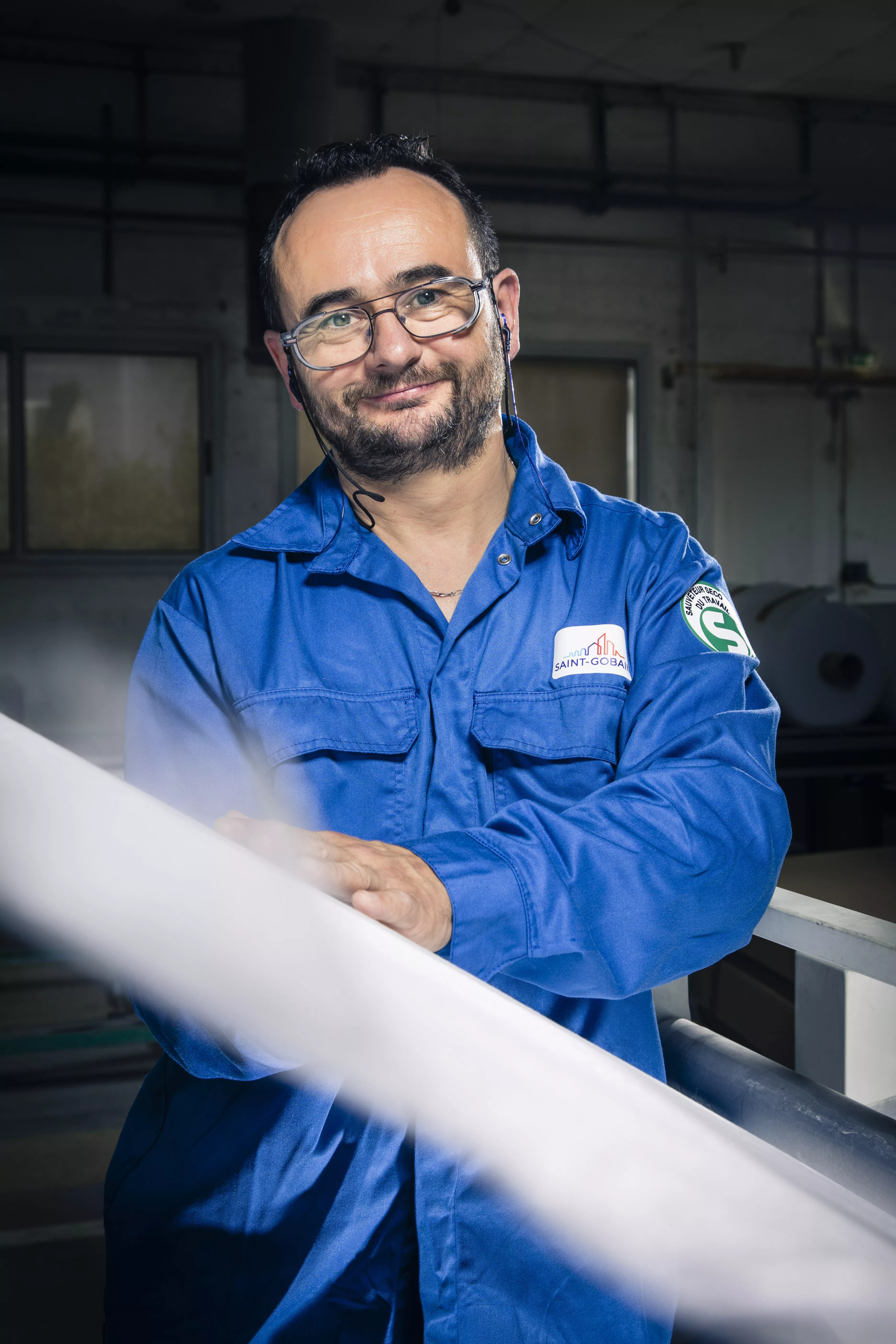
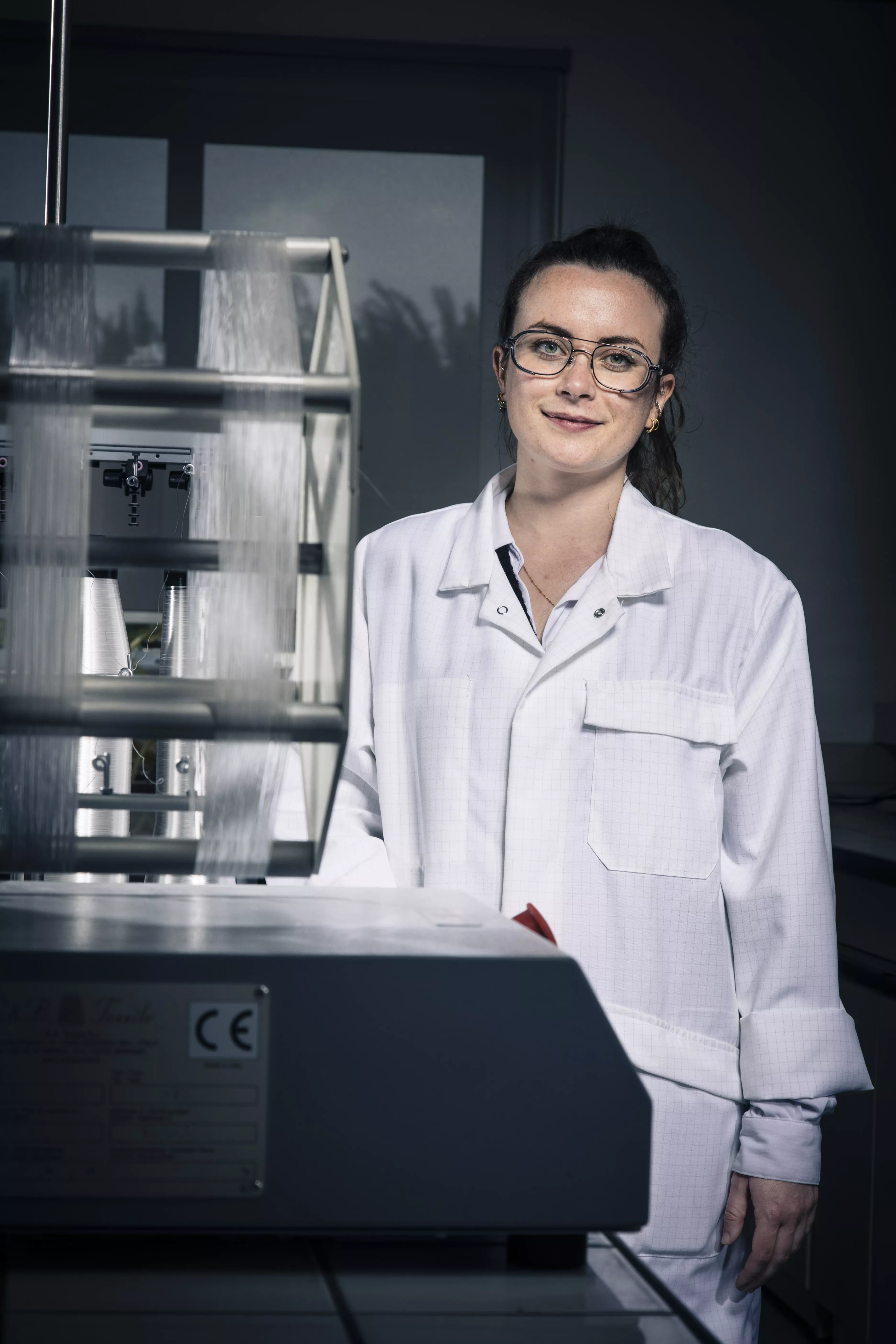
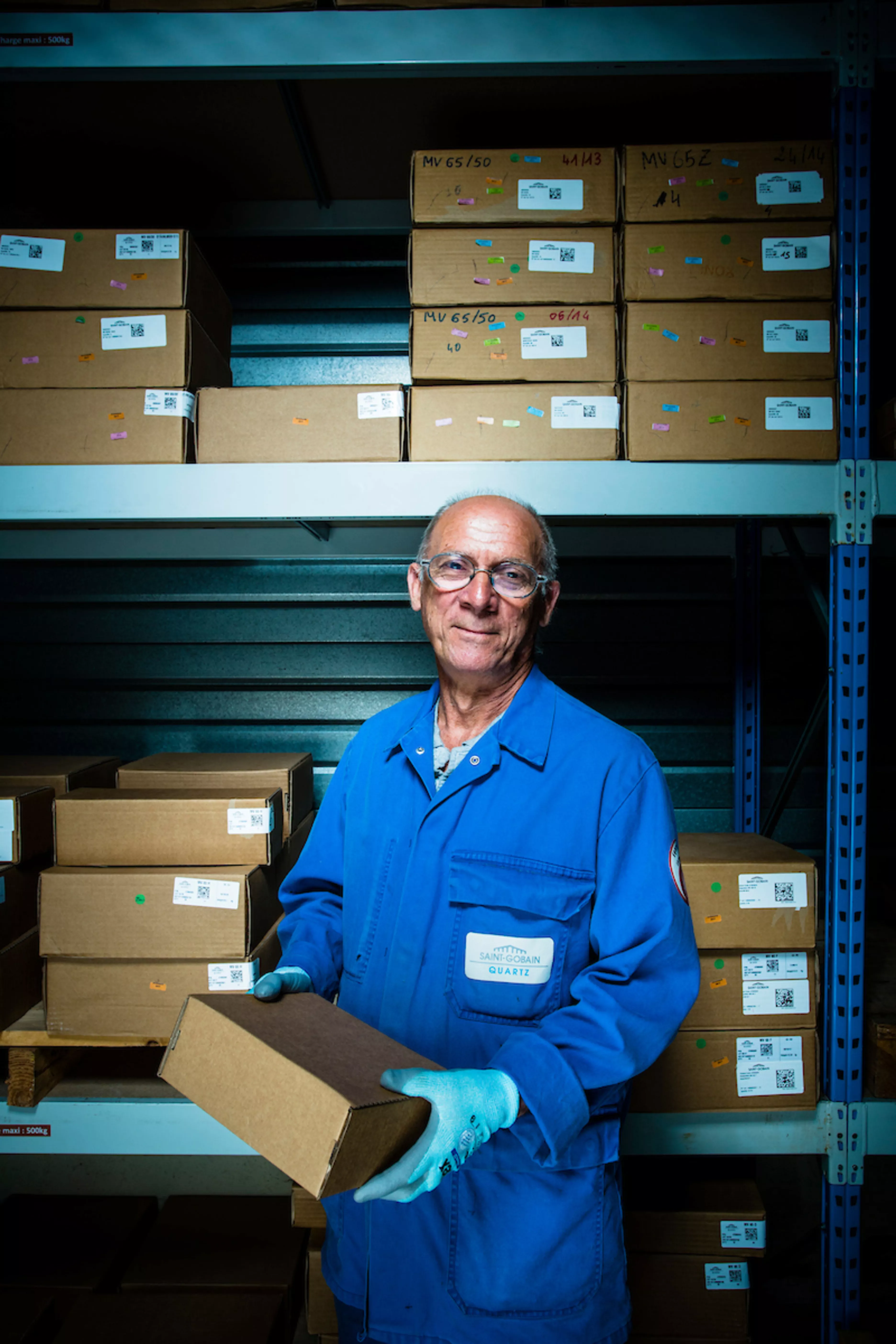
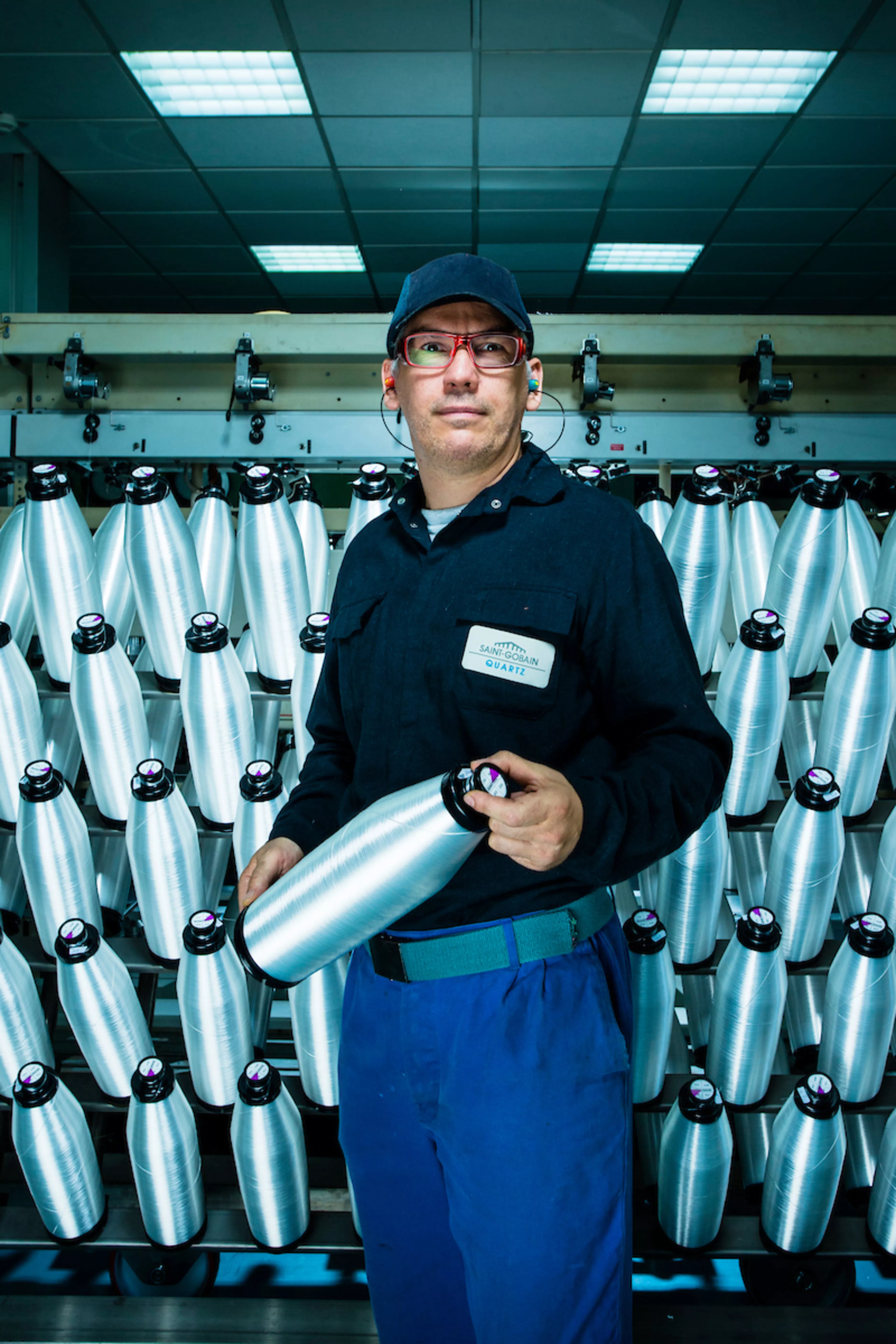
Meet our people

collaborators 5
collaborators 3
collaborators 3
collaborators 2
collaborators 7
collaborators 8
collaborators 14
collaborators 10
collaborators 11
collaborators 1
collaborators 12
collaborators 13